

Why off-plan properties in Dubai remain a top investment choice and what investors must know
Dubai’s real estate market keeps attracting people from all over the world, and for good reason. In 2026, one type of investment stands out: off plan properties in Dubai. These are homes or offices you buy before they are even built. Think of it like buying a new phone before it hits the stores. You get a sneak peek and often a better deal. Actually, off-plan units make up a big part of new homes being sold, sometimes as much as 60% to 70% of all residential sales in Dubai, showing just how popular they are for dubai international real estate.
Many investors see off-plan properties as a smart move.

When you buy off-plan, you often get a lower price than a ready home. You also benefit from easy payment plans, meaning you don’t have to pay everything at once. This can lead to your property being worth a lot more by the time it’s finished, especially if the market grows. This is a key part of how to make a real estate investment how to strategy work well.
However, like any big decision, there are things to watch out for. Sometimes, projects can take longer to finish than planned, or the market might change. That’s why it’s super important to do your homework and get good advice. This guide will give you some helpful tips on real estate investment so you can make smart choices in Dubai’s busy property market.
If you are thinking about buying, selling, or investing in Dubai real estate, you can get expert advice.
FREE Dubai Real Estate Consultation
To make smart choices with off plan properties in Dubai, you really need to understand the market first.
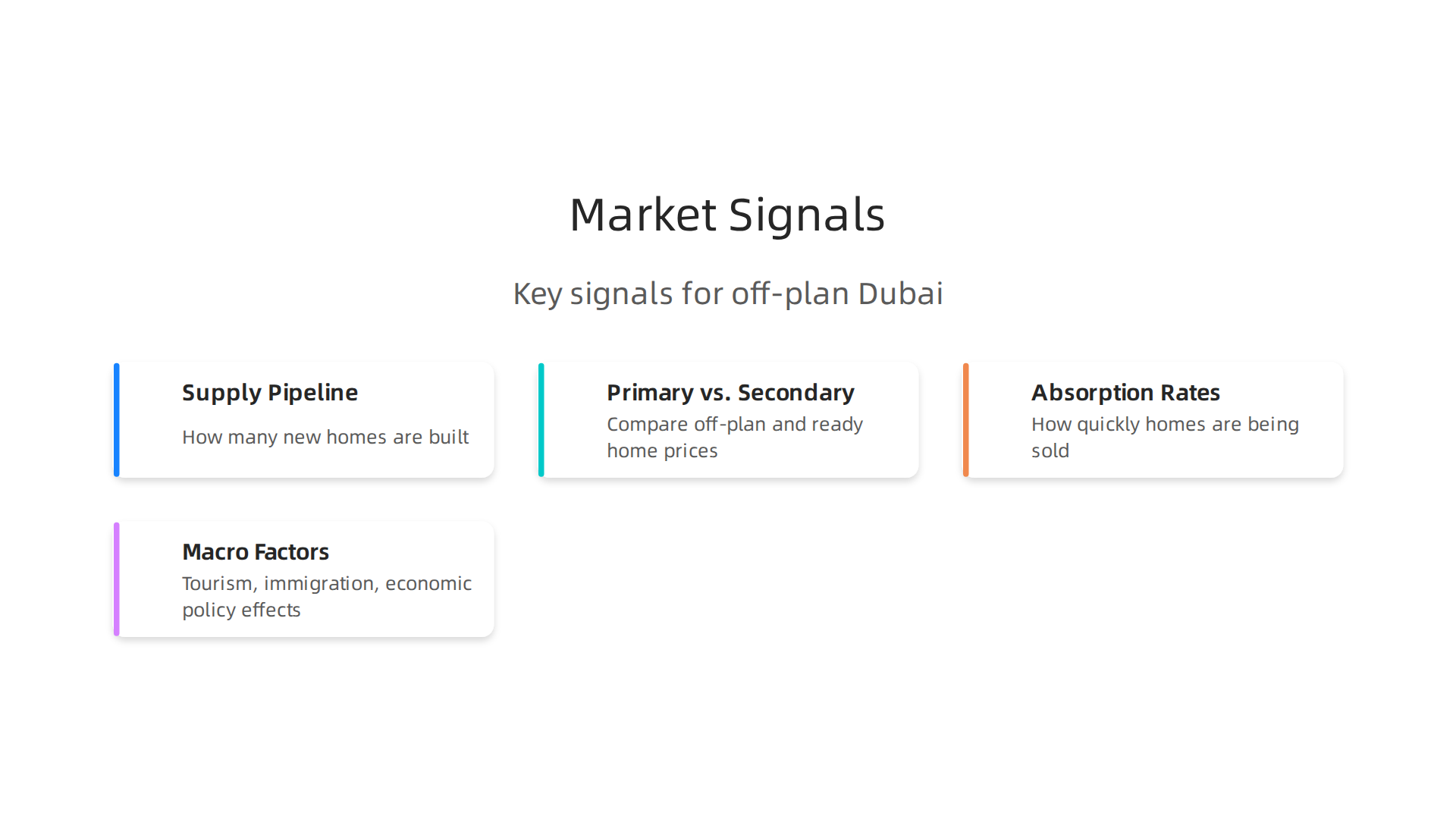
It’s like knowing the weather before you plan a big trip. Looking at key market signals helps you predict if your investment will grow.

Check the Supply Pipeline
One big thing to watch is how many new homes are being built or planned. This is called the "supply pipeline." If too many homes are coming to the market at once, it could mean lower prices later on. For example, in the first quarter of 2026, Dubai’s residential sector saw many transactions, meaning lots of property was bought and sold. But it’s important to look at how many new homes are still set to be finished Dubai Real Estate Market Report Q1 2026. A big wave of new properties can change prices.
Primary vs. Secondary Market Pricing
It’s also smart to compare prices between new off-plan homes (the "primary" market) and homes that are already built and being resold (the "secondary" market). Often, off-plan properties are priced a bit lower to attract early buyers. But if the gap between off-plan and ready homes gets too big or too small, it can tell you something about the market’s health. You want to buy at a price that leaves room for your property to gain value by the time it’s finished. Looking at overall Dubai property sales April 2026 and price trends can give you a clearer picture.
Understanding Absorption Rates
"Absorption rate" might sound fancy, but it just means how quickly homes are being sold after they’re put on the market. If new off-plan properties are selling very fast, it shows strong demand. This is a good sign for investors because it means your property is likely to be valuable when it’s ready. If homes sit on the market for a long time, it could mean demand is slowing down, which might affect future prices.
How Big Trends Affect Off-Plan Demand
Many big things affect how well off-plan properties in Dubai do. These are called "macro factors."
- Tourism: Dubai is a famous place to visit. More tourists mean more people need places to stay, which can lead to more people wanting to buy property.
- Immigration: When many people move to Dubai for work or life, there’s more demand for homes. This boosts the market for dubai international real estate.
- Economic Policy: Government rules about investing or owning property can also have a big impact. If the government makes it easier to buy homes, more people will want to. These policies also affect when buildings are expected to be finished, which is key for off-plan buyers.
Keeping an eye on these things helps you make better decisions for your real estate investment how to strategy. You can also learn more about how to choose reliable partners by reading about Top Real Estate Investment Companies in Dubai for 2026.
Understanding the market signals is a great start, but when you look at off plan properties in Dubai, you also need to think about the good parts and the not-so-good parts.

It’s like checking both sides of a coin before you decide to buy. Let’s weigh the benefits against the risks.
Weighing benefits vs risks: common reward drivers and pitfalls of off-plan investments
Investing in off plan properties in Dubai can come with some clear advantages, but it’s also important to be aware of the possible downsides.
Knowing both helps you make smart choices.
The Rewards of Off-Plan Investments
Many people like off-plan properties for a few key reasons:
- Growing Value Before It’s Ready: One of the biggest upsides is that your property’s value might go up even before it’s completely built. This is called "capital appreciation." As the area grows and demand increases, your property can become worth more by the time it’s finished. Looking at the 16 Best Off-Plan Projects in Dubai (2026) shows how some properties are expected to perform well.
- Easy Payment Plans: Unlike buying a ready home where you pay a large amount upfront, off-plan properties often let you pay in steps. You might pay a small part at first, then more as the building work moves forward, and the final payment when it’s done. This makes it easier for many people to manage their money.
- Special Offers from Developers: Developers often give special deals to early buyers of off-plan units. These can include lower prices, waivers on fees, or even help with things like furnishing. These incentives can make your initial real estate investment even more attractive.
The Risks to Consider
While the rewards are good, there are also things that can go wrong with off plan properties in Dubai:
- Project Delays: Sometimes, buildings take longer to finish than planned. This can mean you have to wait longer to move in or start earning rent. It’s good to research the developer’s history with finishing projects on time. The Projects Handover in Dubai 2026 – New Construction in UAE Update can give you an idea of what’s expected.
- Market Changes: The property market can change. If prices drop by the time your property is ready, its value might be less than you hoped for at handover. This is a "market correction" and it’s a key risk in real estate investment. A guide on UAE 2026 investment guide: How to buy an off-plan property in Dubai talks about these risks.
- Project Cancellation: In rare cases, a project might be cancelled. While Dubai has rules to protect buyers, this can still cause delays and headaches to get your money back. To lessen this risk, always choose a reputable developer and make sure your payments are in an escrow account, which is a special bank account supervised by the government.
To protect your investment, it’s wise to do your homework. Check the developer’s history and ensure the project is registered with the Dubai Land Department (DLD) and RERA. This helps you understand and lower your exposure to these risks. For more tips on real estate investment and how to keep your money safe, you can read our Dubai Real Estate Investment 2026 Guide to Buying Property Safely.
To get personalized advice on navigating the benefits and risks of off plan properties in Dubai, consider talking to an expert.
Buying, selling, renting, or investing in Dubai? Connect with Ayaz Salman for a FREE Dubai Real Estate Consultation.
To protect your investment in off plan properties in Dubai, knowing the risks is just one part. The other crucial part is learning how to pick the right developer and project. This is like choosing the right builder for your dream home. You want someone trustworthy with a good history.

How to Vet Developers and Projects: A Smart Investor’s Checklist
Before you put your money into any off-plan property, it’s really important to do your homework on the company building it.
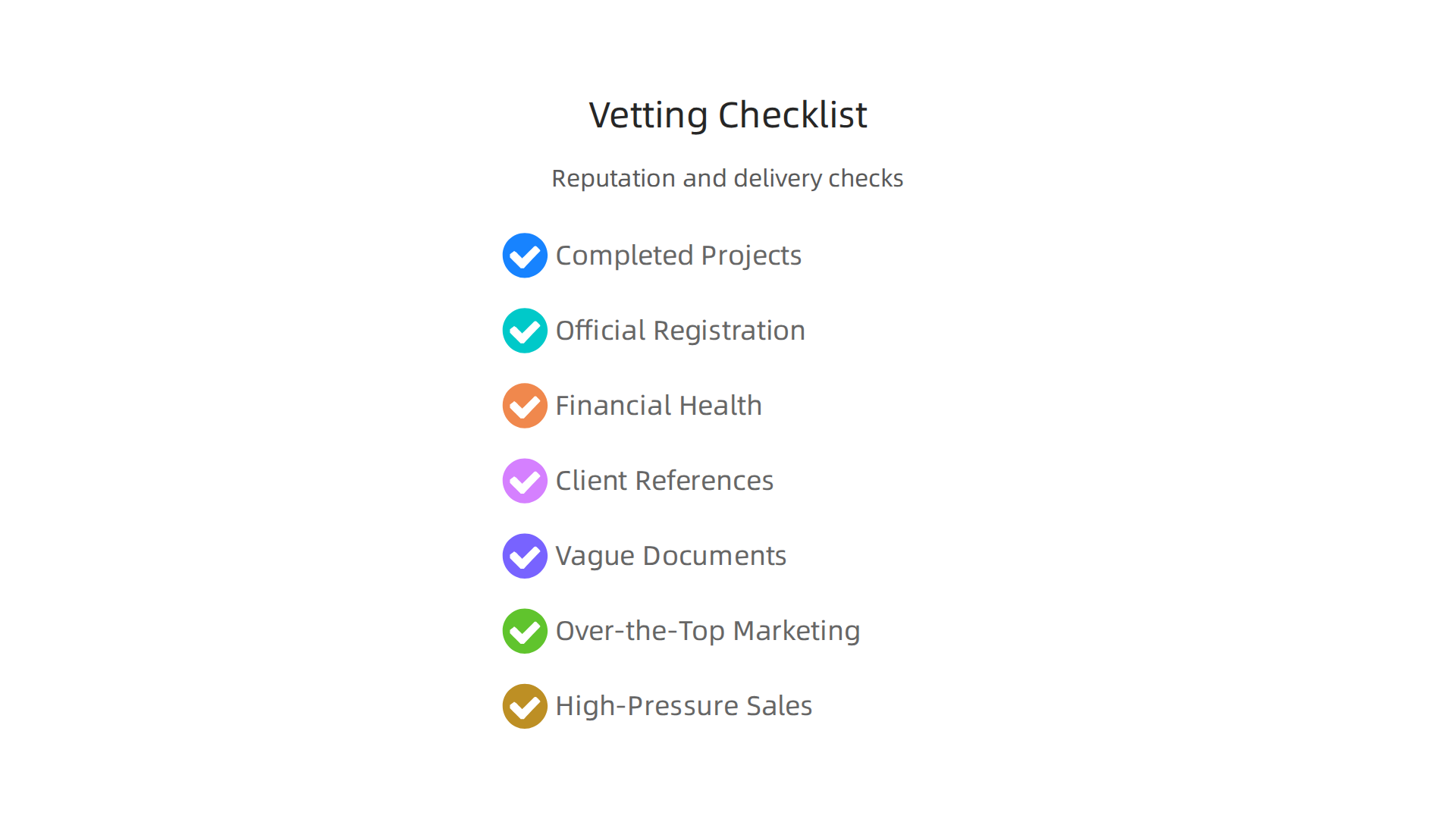
This helps you make a strong real estate investment. Here’s what to look for:
- Check Their History of Completed Projects: A reliable developer will have a clear track record of finishing buildings on time and as promised. Look at their past projects in Dubai. Were they successful? Did they hand over the keys when they said they would? Checking their past work is one of the most important tips on real estate investment. You can find out more about what to ask on a Most Asked Questions On Dubai Off Plan Project.
- Look for Official Registration: Make sure the developer and the project are properly registered with the Dubai Land Department (DLD) and its Real Estate Regulatory Agency (RERA). This protects your money and makes sure the project is legitimate. This is a must-do for anyone doing real estate investment. You can also get a good overview in the Navigating the Off-Plan Market in Dubai: A Buyer’s Checklist.
- Financial Health of the Developer: You want to invest with a developer who has strong finances. This reduces the risk of project delays or even cancellation. While this can be hard to check directly, a long history of successful projects often shows financial stability.
- What Others Say (Client References): Search for reviews and talk to people who have bought from the developer before. What was their experience like? Happy customers are a good sign. This kind of research is part of understanding real estate investment how to succeed.
Red Flags to Watch Out For
Sometimes, things might not feel right. Pay attention to these warning signs when looking at off plan properties in Dubai:
- Vague Project Documents: If the contract or sales agreement is hard to understand, or if important details are missing, be careful. All key terms, payment plans, and completion dates should be very clear.
- Over-the-Top Marketing: Be wary of marketing materials that seem too good to be true, with promises of huge, quick returns without any solid facts to back them up. While Dubai’s real estate market is exciting, always look for realistic information.
- High-Pressure Sales Tactics: If a salesperson tries to rush you into making a decision or insists you sign without enough time to review documents, this is a major red flag. A good real estate agent will give you time and space to think. If you want to understand how to best evaluate the companies and agents themselves, you might find our guide on How to Vet Real Estate Investment Companies in Dubai for 2026 very helpful.
By carefully vetting developers and projects, you significantly lower your risks and increase your chances of a successful outcome with off plan properties in Dubai.
Financing and Payment Plans: Structuring Your Capital and Understanding Developer Payment Schedules
When you decide to buy off plan properties in Dubai, how you pay for them is a big part of the deal. Developers offer different ways to pay, which can make it easier to buy. Knowing these plans helps you manage your money and avoid surprises. This is a key part of understanding real estate investment how to work in Dubai.
Common Payment Plans for Off-Plan Properties
Most off-plan properties in Dubai come with a payment plan that lets you pay over time, instead of all at once.
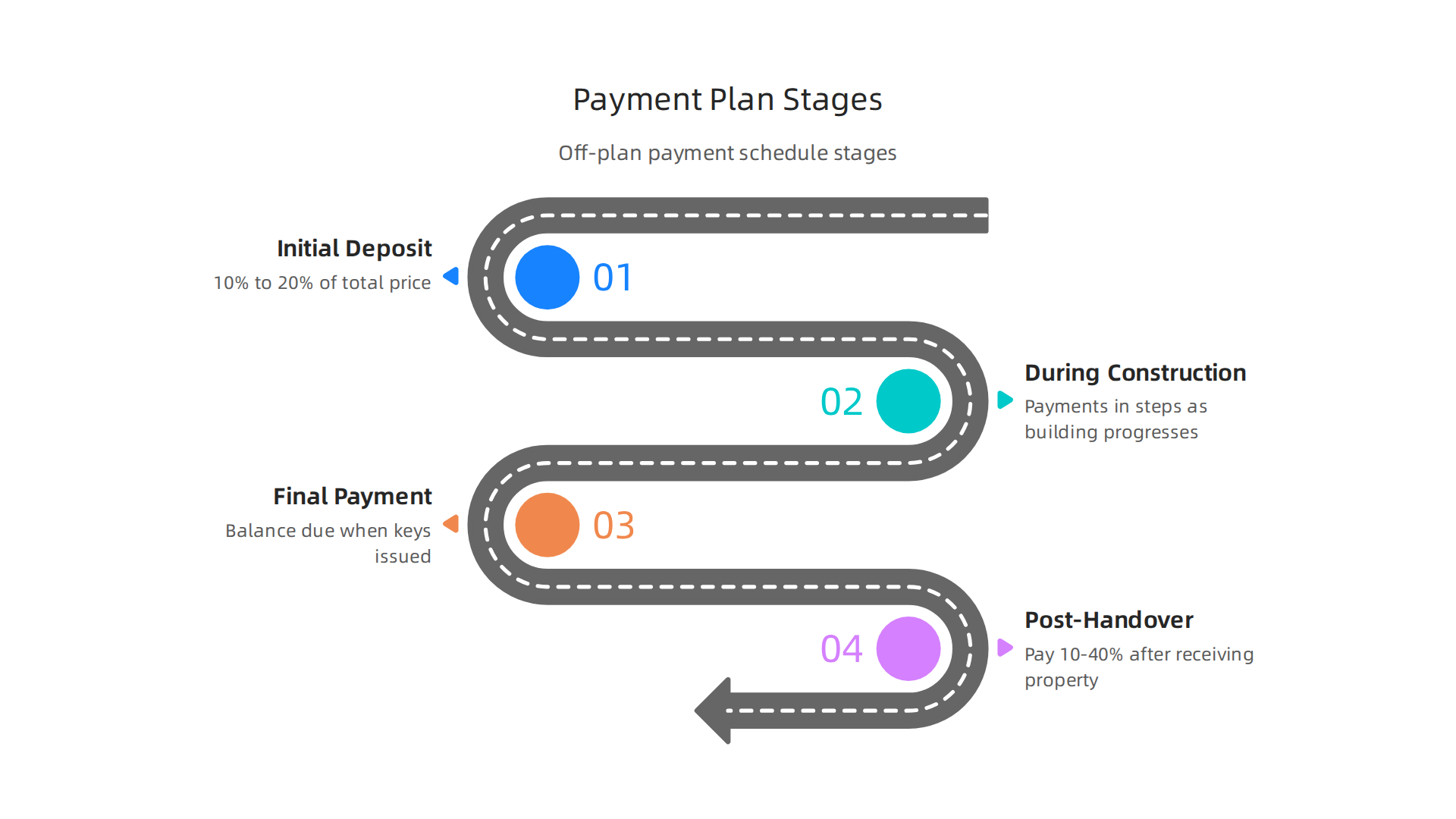
This flexibility is a major reason why many people choose to invest in off-plan projects. These plans often break down into a few main parts:
- Initial Deposit: You start by paying a deposit when you first agree to buy the property. This is usually a small percentage, often around 10% to 20% of the property’s total price. This shows you are serious about the purchase.
- Payments During Construction: This is where you pay in steps as the building gets built. For example, you might pay another 10% when the building reaches a certain floor, and more when the roof is on. These "staged installments" are linked to how much work the developer has finished. This helps with your cashflow because you’re not paying a huge sum all at once. Some plans might have you pay 50% during construction and 50% at handover, known as a 50/50 plan. Other common plans include 60/40 or 70/30 options, where a larger part is paid during construction. These payment schedules can stretch over three to five years, making it easier to manage your finances for your Dubai international real estate purchase. You can find out more about common payment plan structures in the guide Best Payment Plans for Off-Plan Properties in Dubai 2025.
- Final Payment (at Handover or Post-Handover): The last part of your payment happens when the property is ready and you get the keys. Sometimes, developers offer "post-handover" plans. This means you might pay 10% to 40% of the price after you’ve already received your property, often spread out over several years. For instance, a 20/80 payment plan means you pay 20% during construction and 80% after you get the property, giving you a lot of time to pay the bigger chunk. Some plans even offer 80% post-handover over five years, with payments every six months. You can explore 20/80 Payment Plans – Dubai Off Plan Projects to see available options.
Evaluating Your Financing Options
It’s important to think about how you will pay for your off plan properties in Dubai.
- Mortgage Availability: While developer payment plans are flexible, some buyers might still want a bank loan or mortgage. It’s often easier to get a mortgage closer to the handover date, once the property is nearly complete. Banks usually prefer properties that are already built or very close to being finished. This can be an important part of your tips on real estate investment strategy.
- Refinancing Risks at Handover: If you plan to get a mortgage for the final payment, remember that interest rates can change. What seems like a good deal now might look different in a few years when the property is ready. Always consider what might happen with interest rates when planning your finances. It’s smart to have a clear understanding of the full buying process. For a detailed roadmap, check out our Dubai Real Estate Investment 2026 Guide to Buying Property Safely.
Carefully reviewing payment plans and your own financial situation is key to making a successful real estate investment. If you have questions about payment plans or need help figuring out the best way to finance your off-plan property in Dubai, talking to an expert can be very helpful.
Buying, selling, renting, or investing in Dubai? Connect with Ayaz Salman for a FREE Dubai Real Estate Consultation.
After learning about payment plans for off plan properties in Dubai, it is important to also understand the rules and paperwork that keep your money safe. When you buy a property that isn’t built yet, having strong legal protections is very important. This helps make sure your real estate investment goes smoothly.
Key Contract Clauses to Review
Your buying contract for off plan properties in Dubai is a very important paper. It tells you what you and the developer must do. Make sure you look closely at these parts:
- Completion Date: This part tells you when the building should be finished and ready for you to move in. It’s important to know this date so you can plan ahead.
- Penalty Clauses: What happens if the developer is late in finishing the property? Good contracts often have rules about this, sometimes called penalty clauses. These say what the developer must do if they miss the completion date.
- Handover Obligations: This explains what the developer needs to provide when they give you the keys. It covers things like final checks and making sure everything is as promised.
- Specifications Guarantees: This part of the contract describes exactly what your property will look like and what materials will be used. It’s like a promise that your new home will be built to a certain standard. Developers must share specific details about the property with buyers, which is a key part of how they operate in Dubai. You can find more details about legal aspects of real estate in the UAE in guides like the UAE Real Estate Guide from Legal 500.
How Escrow Accounts and Regulators Protect Buyers
A big protection for people buying off plan properties in Dubai is the use of "escrow accounts." Think of an escrow account as a special bank account. When you pay money for your off-plan property, that money does not go straight to the developer. Instead, it goes into this special escrow account. The developer can only get money from this account as they finish different parts of the building. This makes sure your money is safe and is only used for building your property.
In Dubai, the government made it a rule for developers to use these escrow accounts for every off-plan project. This rule, Law 8/2007, was put in place to protect buyers. This means your money is held by a neutral third party until work is done. This helps make your Dubai international real estate purchase safer. The way these accounts are managed has been updated to keep transactions clear and protect buyers’ money even more.
Regulators like the Dubai Municipality also keep an eye on developers. They give approvals and make sure building rules are followed. This oversight helps ensure that projects are built correctly and on time, adding another layer of security for your real estate investment. Knowing these protections are in place gives you more confidence when buying off plan.
For more general tips on real estate investment and how to choose reliable partners in Dubai, you can check out our Dubai Real Estate 2026 The Trust First Guide for Buyers and Investors.
Now that you know your money is safe with things like escrow accounts, it is time to think about when to buy off plan properties in Dubai. Choosing the right time to buy, sell, or keep your property can make a big difference in how much money you make. This is a very important part of your real estate investment plan.
When to Buy Off Plan Properties
There are two main times people choose to buy off plan properties in Dubai:
- Buy Early for Price Advantages: Many buyers like to get in right at the start of a project. When a new project is first announced, developers often offer lower prices and attractive payment plans. This can mean a better deal for you. Buying early might also give you more choices for the best locations or views within the building. If the market grows while the building is being made, your property’s value could go up a lot before it is even finished. In 2026, new build properties are a big part of the Dubai market, showing how popular early buying is for off plan units. This can be seen in reports like the Dubai Real Estate Market Analysis (2026).
- Wait for Construction Progress to Reduce Risk: Some people prefer to wait until the building is partly or mostly done. Waiting means you can see the progress with your own eyes, which feels safer. The risk of delays might seem less, and you get a clearer idea of what the finished property will be like. However, waiting usually means the prices might be higher because the property is closer to being ready. The early bird discount might be gone. You need to weigh the chance of a bigger profit against feeling more secure.
Market trends in Dubai in 2026 show that residential sales have been strong. For example, the first quarter of 2026 saw many transactions, as noted in the Dubai Real Estate Market Report Q1 2026. This suggests a lively market for those looking to invest.
Your Exit Options: Assign, Resell, or Rent
After buying, you will need to think about your exit strategy. What will you do with your off plan property in Dubai once it gets closer to being finished or after it is complete?
- Assignment Sales: This means selling your contract to another buyer before the property is fully built. You essentially pass your right to buy the property to someone else. If the property’s value has gone up since you first bought it, you can make a profit from this sale without having to pay the full price or finish the building process yourself. This is a common strategy for quick returns in Dubai international real estate.
- Resale After Completion: You can choose to hold onto the property until it is fully built and handed over. Then, you can sell it on the regular market as a ready-to-move-in home. This might allow for a bigger profit if the market has grown a lot. But you will also need to pay the full price of the property and any costs that come with owning it for a short time.
- Rental Yield Scenarios: Maybe you want to keep the property and rent it out. This means you will get regular money coming in from tenants. Dubai’s rental market can offer good returns, and many investors buy off plan with the goal of earning rental income. You can learn more about projects that are being handed over in 2026 to see current rental opportunities in the Projects Handover in Dubai 2026 report.
Thinking about these options early helps you plan your real estate investment better. Knowing your goals for buying off plan properties in Dubai helps you pick the right time to enter and exit the market.
Buying, selling, renting, or investing in Dubai? Connect with Ayaz Salman for FREE Dubai Real Estate Consultation.
After you have thought about your plans for buying and selling, it is time for a very important step: checking everything carefully before you sign any papers. This is called due diligence. It helps protect your money and makes sure your real estate investment in Dubai goes smoothly. Here is a simple checklist for buying off plan properties in Dubai in 2026.
Practical Due-Diligence Checklist: Documents, Red Flags and Verification Steps Before Signing
Making smart choices before you commit is key for any real estate investment. When looking at off plan properties, you need to be extra careful because you are buying something that is not yet built.
1. What Documents to Ask For
Always get these important papers and look at them closely:
- Developer’s Registration and Project Approvals: Make sure the developer is properly registered with the Dubai Land Department (DLD) and its Real Estate Regulatory Agency (RERA). Each off plan project also needs to be registered. This shows they are following the rules. You can find more details in the UAE 2026 investment guide for off-plan property.
- Escrow Account Details: You already know escrow accounts keep your money safe. Make sure the project has a specific escrow account and ask for details on how it is managed. This is a must in Dubai to protect buyer payments.
- Sales and Purchase Agreement (SPA): This is the main contract. Read every part carefully. It should clearly state the property details, payment plan, handover date, and what happens if there are delays.
- Floor Plans and Property Specifications: Get the exact floor plan for your unit and a list of what materials and finishes will be used. This helps you know exactly what you are getting.
- Service Charge Estimates: Understand what you will need to pay each year for the building’s upkeep. Developers usually give an estimated amount.
2. Checking for Red Flags and Verifying Promises
Don’t just take things at face value. Do some extra checks:
- Check the Developer’s Reputation: Look into other projects the developer has done. Did they finish them on time? Were buyers happy? This is a great way to judge their track record. For more on this, check out our guide on How to Vet Real Estate Investment Companies in Dubai for 2026.
- Visit the Site and Area: Even if it is just a plot of land, visit the location. See what is around it like schools, shops, and roads. This helps you picture your future property.
- Compare Marketing Claims with the Contract: Developers often show beautiful pictures and make big promises. Make sure that what is promised in brochures and ads is actually written into your SPA. If it’s not in the contract, it might not happen. Specific disclosures about the property should be made to the buyer by off plan property developers in Dubai, as outlined in guides like PANORAMIC REAL ESTATE – United Arab Emirates.
- Understand Delivery Guarantees and Penalties: What happens if the project is delayed? The SPA should explain any fines or options you have if the developer does not meet the handover date.
- Seek Legal Advice: It is always a good idea to have a lawyer look over your SPA before signing.
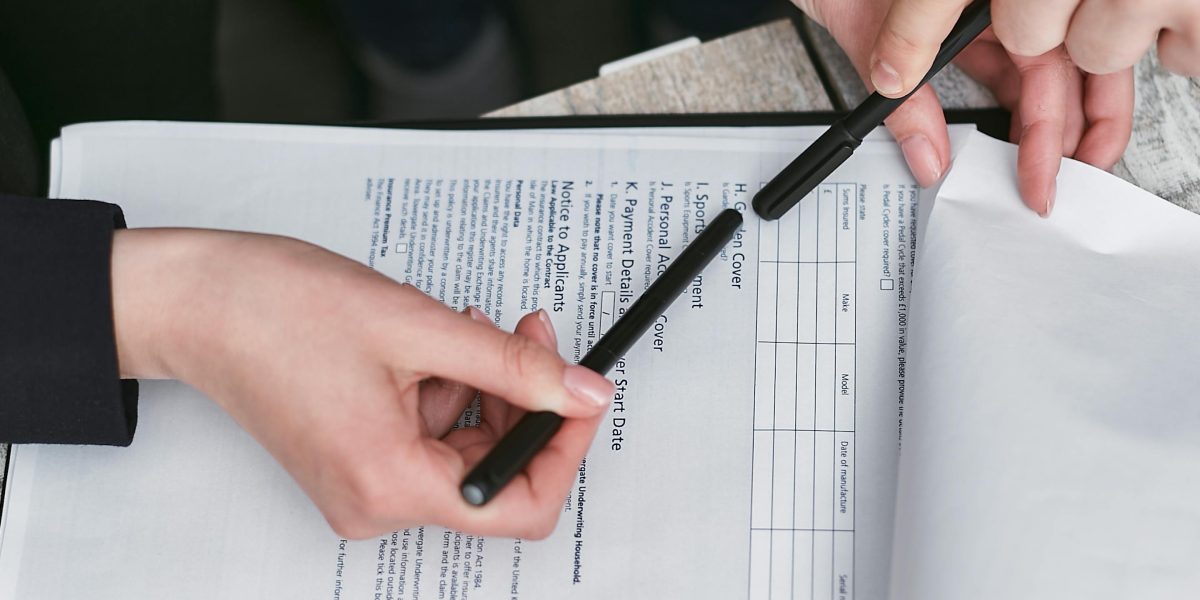
They can help you understand the legal language and make sure your rights are protected. Legal guides can offer insights into real estate law in the UAE in 2026, such as the Real Estate – Legal 500 Country Comparative Guides 2026.
By carefully going through these steps, you will be much more prepared to make a smart decision when investing in off plan properties in Dubai. It is a big step, so make sure you are confident in your choice. For a more detailed look, consider this Navigating the Off-Plan Market in Dubai: A Buyer’s Checklist.
Summary
This article explains why off-plan properties in Dubai remain a leading investment choice in 2026, outlining how they work, their advantages, and the key risks buyers must manage. It covers market signals to watch—supply pipeline, absorption rates and macro trends like tourism and immigration—plus practical guidance on comparing primary and secondary prices. You will learn how to vet developers, spot red flags, review crucial contract clauses, and use escrow protections to keep your money safe. The guide also breaks down typical payment plans, financing considerations, timing strategies for buying, and realistic exit options (assignment, resale, renting). After reading, you will have a clear due-diligence checklist and the tools to evaluate an off-plan opportunity more confidently and reduce common investment risks.