
Introduction
Are you thinking about putting your money into Dubai property? You have good reason to be curious.
The market here offers exciting opportunities. But let’s be honest. It can also feel like a confusing puzzle.
Many people look at real estate as investment in Dubai because of the high rental returns and tax-free benefits. Yet newcomers often hit the same wall. Too much information. Too many agents promising the world. And not enough trustworthy guidance to sort through it all.
The rules are changing fast too. In 2026, new laws are reshaping how property deals work. The impact of new real estate laws can affect your purchase, sale, or rental agreement.

If you do not know what is happening, you could lose money or miss a great deal.
Maybe you are wondering whether a REIT real estate investment trust makes sense for you. Or perhaps you want specific tips for real estate investing that actually work in this market. The good news is that you do not have to figure it all out alone.
This article gives you a clear framework. We help you match your personal goal… whether you are buying, selling, renting, or investing… with a proven strategy. We also cover simple due diligence steps that protect your money.
For a more detailed walkthrough, check out our Dubai real estate investment 2026 guide to buying property safely. It goes deeper into the buying process step by step.
And if you are ready to talk to a real person who can help, simply find an agent who fits your exact needs. Getting the right support changes everything.
Understanding Dubai’s Real Estate Landscape in 2026
So you want to invest in Dubai property. That is smart. But here is the thing. The market does not sit still. It moves in cycles. And in 2026, those cycles are shifting fast.
Right now, prices are climbing in some areas while staying steady in others. According to the Dubai Property Market Forecast 2026, demand keeps rising thanks to population growth and new government policies. But not every district behaves the same way.
Where to Focus Your Attention
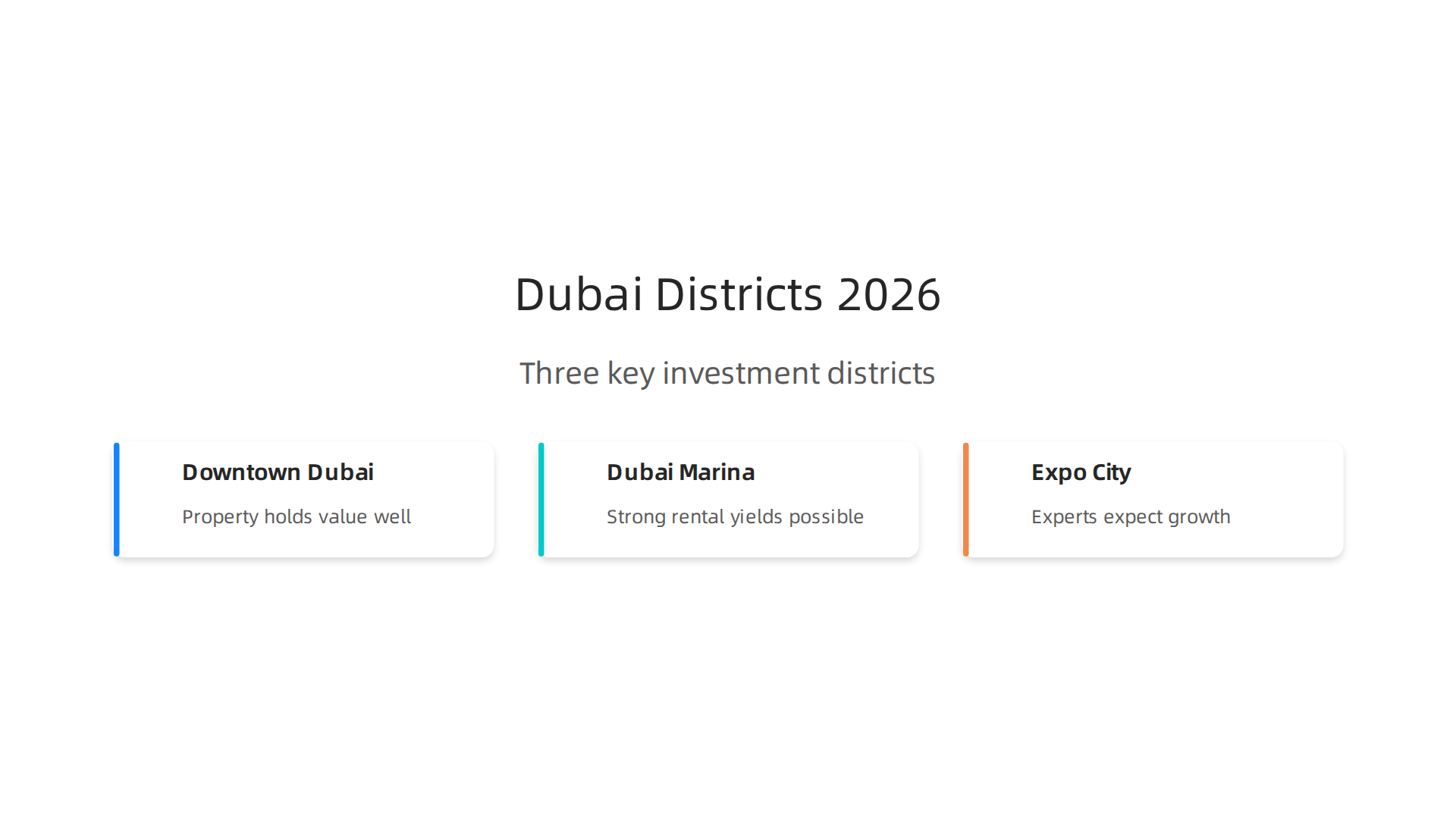
If you are looking at real estate as investment, location is everything. Here are the three key districts to watch in 2026.
-
Downtown Dubai. This area stays popular for a reason. The Burj Khalifa and Dubai Mall draw millions of visitors every year. Property here holds value well. But prices are already high. You need a bigger budget to enter this market.
-
Dubai Marina. This is a rental hotspot. Many expats and professionals want to live near the water with easy access to restaurants and nightlife. Rental yields here can be strong. But competition for units is fierce.
-
Expo City. This area is growing fast after the 2020 Expo site transformed into a new community. Prices are more affordable right now. But experts expect growth over the next few years. This could be a good spot for buyers with a longer time frame.
The Dubai Real Estate Market Report Q1 2026 shows that transaction volumes have gone up compared to last year. That means more people are buying and selling. If you time your move right, you can get in before prices rise further.
Why Regulatory Bodies Matter
You might wonder who makes sure this whole system runs fairly. Two big names control the rules.
RERA, the Real Estate Regulatory Authority, sets the standards for agents, developers, and property transactions. They make sure everyone follows the law. DLD, the Dubai Land Department, oversees property registration and ownership records. The Dubai Land Department rules and regulations are the backbone of trust in this market.
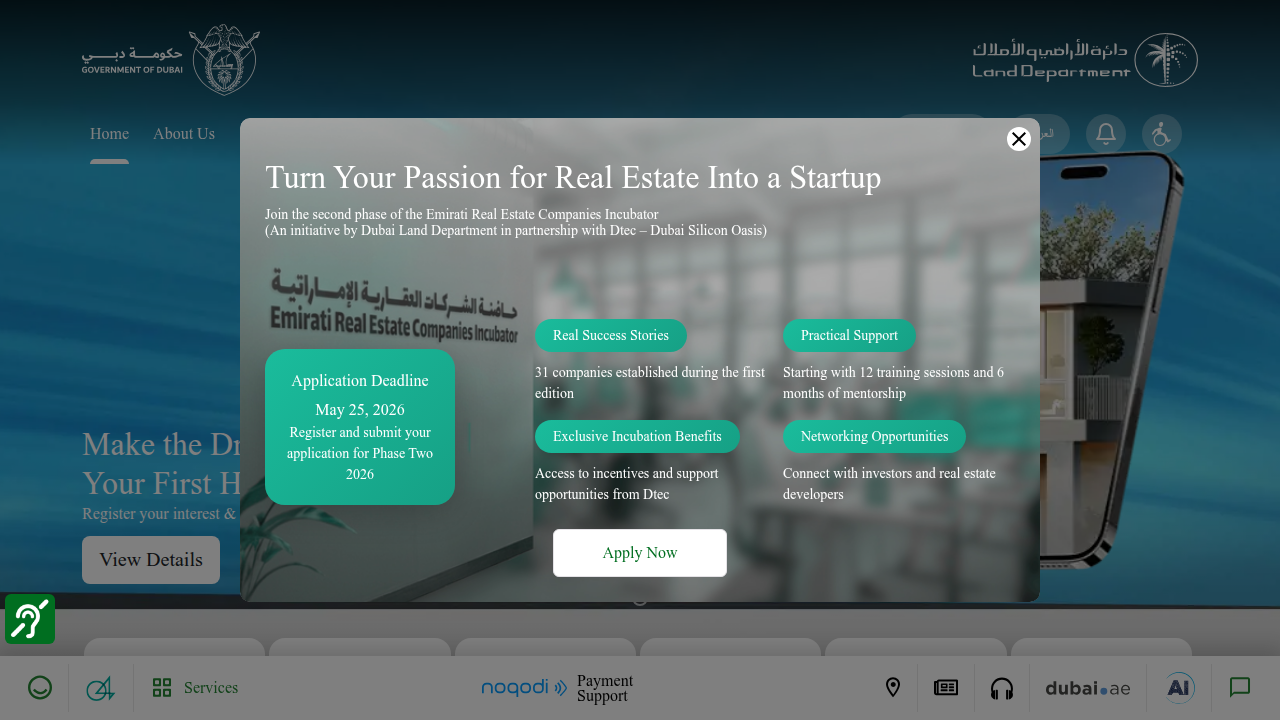
Knowing these bodies exist should give you confidence. They protect both buyers and sellers. If something goes wrong, you have somewhere to turn.
New laws in 2026 are also changing the game. The impact of new real estate laws includes stricter rules on reselling off-plan property. A new property resale rule aims to stop speculation and protect genuine buyers. That is good news for real estate for investment because it reduces market instability.
Freehold vs. Leasehold: Know the Difference
This one trips up a lot of newcomers. In Dubai, some areas let foreigners buy the property outright. That is called freehold. You own the land and the building. Other areas only allow foreigners to lease the property for a set number of years, usually 99. That is leasehold.
The legal requirements for Dubai investors in 2026 clearly explain which zones are freehold and which are leasehold. If you are looking for long-term value, freehold zones like Dubai Marina, Downtown, and Palm Jumeirah are your best bet. Leasehold can still work for shorter investments, but you need to understand the expiration date.
Here is a simple tip for real estate investing in Dubai. Always check with a RERA licensed agent before you sign anything. They can confirm the ownership type and make sure you are buying in a zone that matches your goals.
If you want a deeper look at how to buy safely in this market, read our Dubai real estate investment 2026 guide to buying property safely. It walks you through every step from finding the right property to closing the deal.
Understanding the landscape is the first step. Once you know where things stand, you can start making moves. And the best way to start is by talking to someone who knows the local market inside and out.
Find an Agent who can answer your questions and help you find the right property for your budget and goals. Getting the right support makes all the difference.
Defining Your Investment Purpose: The First Strategic Decision
Here is a truth that many buyers ignore. They jump straight into looking at properties without asking themselves one simple question. Why am I buying this?
Your purpose changes everything. It decides which area to pick, how much risk you can take, and when you will see a return.

So before you scroll through listings, take a minute to figure out what you actually want.
The Four Main Investment Purposes
Most people who buy real estate as investment fall into one of these categories.
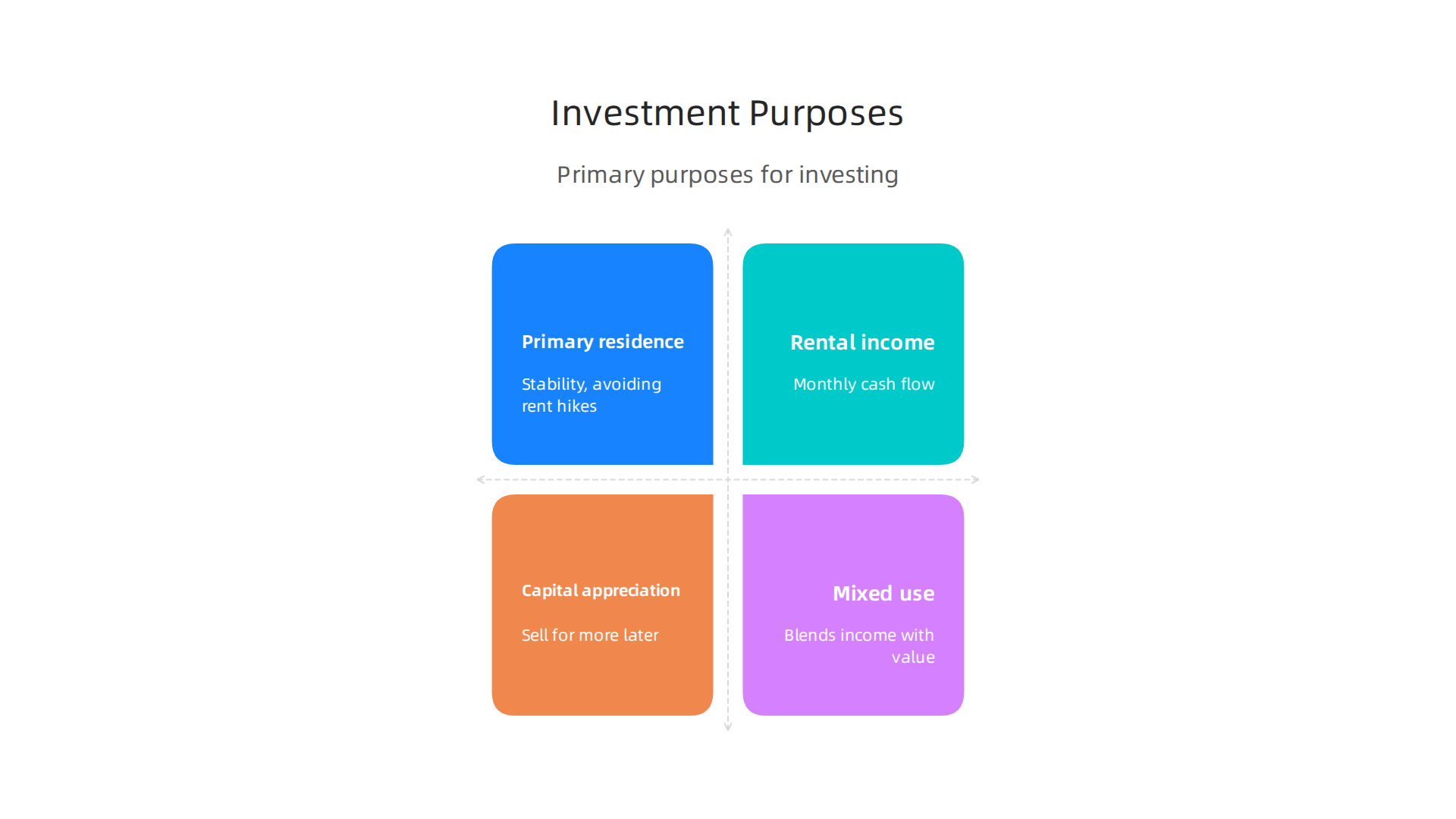
| Purpose | Typical Timeline | Risk Level | Best Property Type |
|---|---|---|---|
| Primary residence | 5+ years | Low | Villa or large apartment |
| Rental income | Ongoing | Medium | Studio or one-bedroom in high-demand area |
| Capital appreciation | 3 to 7 years | Medium to high | Off-plan in growing district |
| Mixed use | Flexible | Medium | Commercial plus residential |
Primary residence. You want a home for yourself. That is fine. But do not expect huge short-term gains. The value grows slowly. The real benefit is stability and avoiding rent hikes. According to the Dubai Housing Market 2026 analysis, buying a home you live in protects you from rising rental costs.
Rental income. This is the favorite goal for expats. You want monthly cash flow. The best rental yields in Dubai 2026 report shows that studio flats delivered average yields above 7% in 2025. Areas like Dubai Marina and JLT tend to perform well for rentals. The best places to invest in rental property guide highlights communities where you can expect 6% to 8% gross yields. If steady income matters most, focus on units that tenants actually want to live in.
Capital appreciation. You buy now hoping to sell for more later. This takes patience. Off-plan properties in emerging areas like Expo City can offer strong growth over time. The Dubai Property Market Forecast 2026 suggests that districts with new infrastructure projects will see the biggest price jumps.
Mixed use. Some investors buy a duplex or a building with retail downstairs. This blends rental income with long-term value. It requires a bigger budget but can offer balance.
Why This Matters for Your Strategy
Here is the thing. If you buy a villa in Palm Jumeirah hoping for quick rental income, you will be disappointed. That type of property works better for capital appreciation. And if you buy a studio in a faraway district expecting huge price jumps, you might wait years.
The legal requirements for Dubai investors in 2026 make it clear that your visa options and ownership rules can change depending on the property type and purpose. So aligning your goal with the right property is not just smart. It is necessary.
One of the best tips for real estate investing is this. Write down your goal. Then share it with a RERA licensed agent before you start viewing properties. A good agent will help you avoid wasting time on the wrong options.
If you want a step by step walkthrough of the entire buying process, check out our Dubai real estate investment 2026 guide to buying property safely. It covers everything from budgeting to closing.
Once you know your purpose, the next step is finding the right person to help you act on it.
Find an Agent who understands your specific goals and can match you with the right properties in Dubai. Getting expert guidance early saves you time and money.
Capital Appreciation vs. Rental Yield: Choosing Your Primary Goal
Now you know your purpose. The next big choice is between two main ways to make money with real estate as investment. Do you want cash in your pocket every month? Or a big payout when you sell later? Most people cannot have both from one property. So you need to pick one as your primary goal.
Let’s look at the difference.
Rental Yield: Steady Monthly Income
Rental yield is the money you earn from tenants each year, shown as a percentage of the property price. In Dubai, average gross rental yields sit between 5.5% and 7%, depending on the area and property type, according to LuxHabitats.
Studios in busy areas like Dubai Marina have delivered yields above 7% in recent years, as highlighted in the GuestReady report.
But here is the catch. Gross yield is not what you keep. You must subtract service charges, vacancy periods, and property management fees. That is your net yield. For example, if your gross yield is 7% and service charges eat up 2%, your net yield drops to 5%. A rental yield calculator can help you see the real number before you buy.
The best places to invest in rental property guide shows that communities like JLT and Dubai Hills deliver consistent net yields when you factor in low vacancy rates. So if steady cash flow matters most, focus on high demand areas where tenants line up.
Capital Appreciation: Growth Over Time
Capital appreciation means your property’s value goes up. You buy at one price and sell higher later. This strategy works well in growing areas like Expo City or along new metro lines. The Dubai Property Market Trends 2026 report notes that off plan properties in developing districts can see strong price jumps as infrastructure finishes.
But appreciation takes patience. Dubai’s market runs in cycles. Some years prices soar. Other years they stall. You might wait 5 to 7 years for a meaningful gain. During that time, you earn little or no rental income. That is the trade off.
Can You Have Both? Diversify.
Here is the smart move. You do not have to pick only one. Many experienced real estate for investment build a portfolio that includes both. For example, buy a studio for rental income and an off plan villa for appreciation. This balances your risk. If one side underperforms, the other can hold you up.
For more detail on building a balanced strategy, see our Dubai real estate investment 2026 guide to buying property safely. It covers how to match property types to your goals.
Tips for Real Estate Investing: Know Your Numbers
Before you commit, run the math. Ask yourself:
- What is the net yield after all costs?
- What is the historical appreciation rate in this area?
- How long can I hold the property without needing cash flow?
One of the best tips for real estate investors is to look at both numbers together. A 3% net yield with 8% annual appreciation can be better than a 7% yield with 1% appreciation, depending on your timeline.
Ready to Choose Your Path?
Still unsure? That is normal. A good agent can help you compare options based on your real numbers.
Connect with Ayaz Salman on WhatsApp for a free consultation. He will listen to your goals and show you properties that match. No pressure. Just honest advice.
Strategies for Property Buyers: Off-Plan, Ready, and Financing
You have picked your primary goal. Now comes the next big question. Should you buy off plan or a ready property? And how will you pay for it? Let us break down each option so you can match it to your real estate as investment strategy.
Off Plan: Lower Entry, Higher Reward, More Risk
Off plan means you buy a property before it is built. Developers offer lower prices and payment plans that spread costs over 2 to 4 years. This is a popular path in 2026. The Pros and Cons of Buying Off-Plan Properties in Dubai 2026 guide shows that many investors use off plan to lock in prices before construction pushes values up.
But here is the thing. Off plan carries delivery risk. Delays happen. What was supposed to hand over in 2028 might arrive in 2029. Or the finished product might differ from the brochure. For real estate for investment focused on appreciation, this risk can pay off. For cash flow investors who need rent tomorrow, it can hurt.
A good tip for managing this risk is to only buy off plan from reputable developers with a track record of on time delivery. The Best Off Plan Projects in Dubai to Buy in 2026 list highlights projects with strong completion histories.
Ready Property: Certainty and Immediate Income
A ready property is already built and standing. You can visit it. You can see the exact view, the finishes, and the neighborhood vibe. More importantly, you can rent it out the day you take ownership.
The trade off is price. Ready properties cost more upfront because you pay for the completed value. But you get clarity. No waiting. No guessing about delivery dates. If steady rental income is your goal, ready is the safer path.
For practical tips for real estate investing, compare the two side by side:
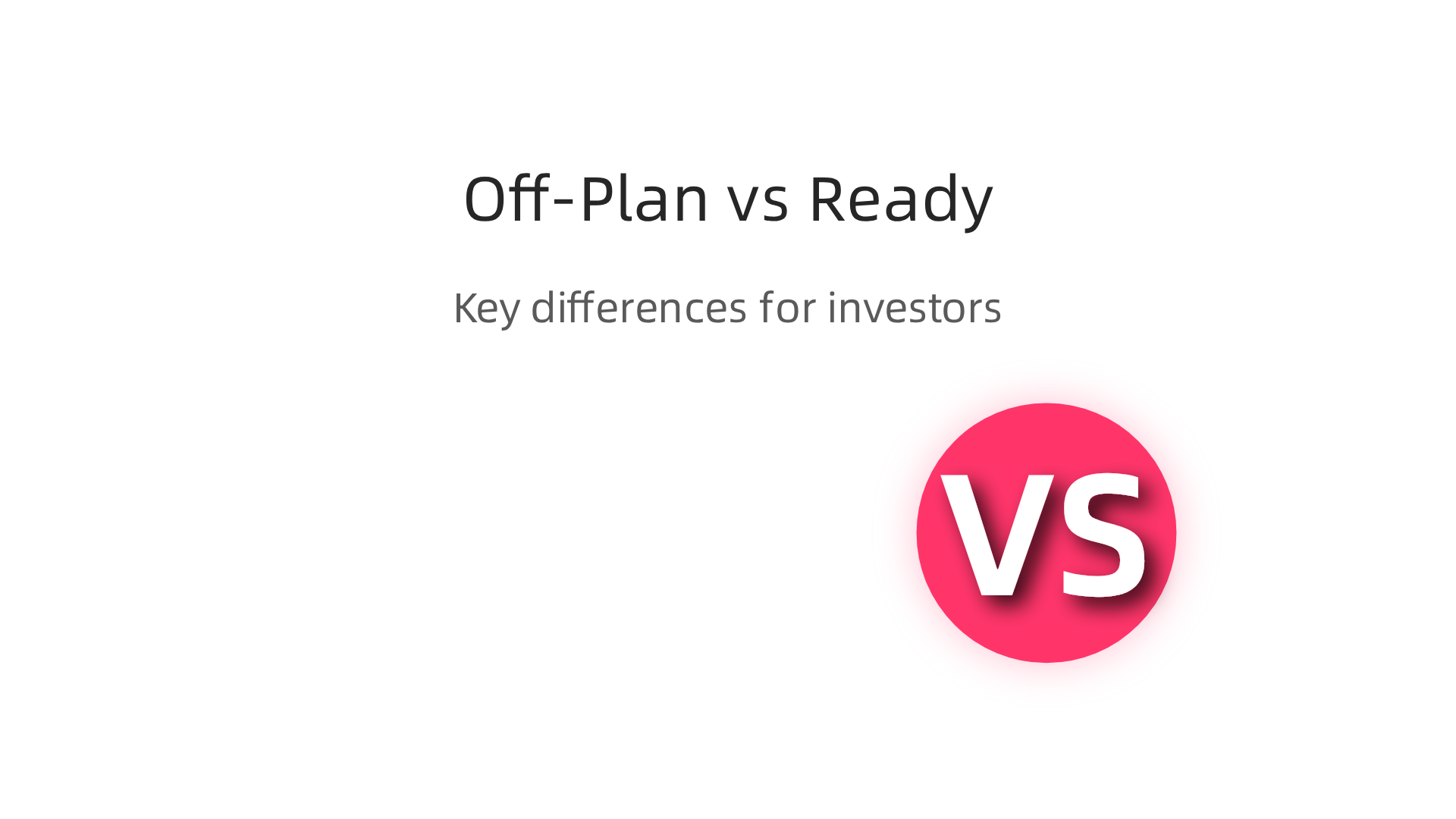
| Factor | Off Plan | Ready |
|---|---|---|
| Entry price | Lower | Higher |
| Payment plan | Staged over years | Mostly upfront |
| Income potential | None until handover | Immediate |
| Risk level | Higher (delays, changes) | Lower (you see what you get) |
Financing in 2026: What Expats and Residents Need to Know
Now let us talk money. In 2026, mortgage rules in Dubai are clear. If you are a resident, you can borrow up to 80% of the property value for a first home and 70% for an investment property. For expats (non residents), the loan to value ratio is lower, typically 50% to 60%. Interest rates in 2026 have stabilized after recent global shifts, making mortgages more predictable than in 2024 or 2025.
But here is the important part. Mortgage approval takes time. If you buy off plan, you may need to arrange financing closer to handover. If you buy ready, you need financing ready before you sign. Planning ahead is one of the best tips for real estate investors.
Location Is Everything
No matter which path you choose, location drives your returns. Proximity to metro stations, good schools, and employment hubs pushes up both rental demand and property values. Areas near new metro lines in 2026 are seeing strong interest from both tenants and buyers.
For more detail on how to evaluate areas, see our Dubai real estate investment 2026 guide to buying property safely. It covers how to check infrastructure plans and demand drivers before you commit.
Need Help Choosing Your Strategy?
Still weighing off plan against ready? That is a big decision, and every investor faces it differently. The best way forward is to talk through your numbers with someone who knows the market.
Connect with Ayaz Salman on WhatsApp for a free consultation. He will look at your budget, timeline, and goals. Then he will show you properties that fit your plan. No pressure. Just honest guidance.
Strategies for Investors: Portfolio Diversification and Exit Planning
So you have picked your buying path and figured out your financing. Good. Now let us talk about the bigger picture. Smart investors in 2026 do not just buy one property and hope for the best. They build a portfolio.

And they plan how to leave before they even enter.
Diversify Across Asset Classes and Zones
Here is a truth that many beginners miss. Putting all your money into one type of property in one area is risky. Institutional investors and high net worth individuals spread their risk across different asset classes. They buy residential apartments in one zone, commercial offices in another, and maybe hospitality units like hotel apartments in a tourist area.
Why does this work? Each asset class behaves differently. When residential rental demand dips slightly, hospitality might stay strong because of tourism. When one area matures and slows down, another area might be booming thanks to new metro lines or infrastructure.
If you are building your portfolio step by step, start with the asset class that matches your main goal. Then add another type later. This is one of the most practical tips for real estate investors who want steady growth over time.
Hold Long Term or Flip: Know the Trade Off
This is a fork in the road. Do you want to hold a property for years and collect rent? Or do you want to buy, wait for value to go up, and sell for a quick profit?
Both paths work in Dubai, but they come with different rules.
If you hold long term, you benefit from rental income and slow but steady appreciation. You also become eligible for a Golden Visa if your property is worth at least AED 2 million. That is a big deal for expat investors who want long term stability in the UAE.
If you flip, your window is usually shorter. You buy off plan, wait for handover or a nearby milestone, and sell on the secondary market. The Guide to Buying Off-Plan Property in Dubai covers how the secondary market works for early exits. Just remember that flipping means you pay Dubai Land Department transfer fees twice, once when you buy and once when you sell. That eats into your profit.
Tax wise, Dubai has no capital gains tax or property tax for individuals. So both strategies are tax efficient. But the fees matter.
Plan Your Exit Before You Buy
This might sound backward. But the best investors think about the end before the start. If you buy off plan, your exit is through the secondary market once the project completes. You need to know if there is buyer demand for that unit in that area when you want to sell.
For a rental portfolio consisting of multiple ready properties, your exit might be a block sale to another institutional investor. That is a different kind of transaction. It requires your properties to be well maintained, have clean title deeds, and show steady rental history.
The Buying Property in Dubai in 2026 guide emphasizes checking resale demand and liquidity before you commit to any purchase.
For more detail on how to plan your buying strategy end to end, see our Dubai real estate investment 2026 guide to buying property safely.
Get Help Building Your Portfolio
Building a smart portfolio and planning your exit takes more than reading guides. It helps to talk with someone who sees deals every day and knows what works in 2026.
Connect with Ayaz Salman on WhatsApp for a free consultation. He will look at your current properties and your goals. Then he will map out a plan that fits. No pressure. Just real advice.
Strategies for Sellers and Landlords: Maximizing Value and Minimizing Risk
So you have built your portfolio and planned your exit. Now comes the part where you actually sell or rent. Getting this wrong can cost you thousands. Getting it right protects your investment and grows your wealth.
Price Your Property Right From Day One
Here is the biggest mistake sellers make in 2026. They overprice. They think a higher listing means a better deal. In reality, overpricing makes your property sit on the market longer. Buyers start wondering what is wrong with it. Then you end up lowering the price anyway, which looks even worse.
Correct pricing requires understanding the current market. You need a comparative market analysis that looks at recent sales of similar units in the same building or area. You also need to understand buyer psychology. Buyers in 2026 are well informed. They know what similar properties sold for last month. If your price is not in line, they walk.
As the Sell Property in Dubai guide points out, overpricing leads to extended market time and price reductions. That hurts your final profit.
Choose the Right Agent Carefully
Not all agents are the same. Some specialize in off plan sales. Others are experts in the secondary market. Some have huge marketing budgets. Others work alone.
When you interview agents, ask these questions:
- What is your commission structure? Most agents charge 2% in Dubai, but some negotiate.
- Which areas do you focus on? An agent who knows your neighborhood well will price and market it better.
- How do you market properties? Do they use professional photography, virtual tours, and paid ads?
- What is your recent track record? Ask for examples of similar properties they sold recently.
A good agent saves you money and stress. A bad one wastes both.
If you want to understand how to vet an agent properly, our Dubai real estate investment 2026 guide to buying property safely covers the same principles that work for sellers.
For Landlords: Protect Your Rental Income
Being a landlord in Dubai comes with specific responsibilities. If you handle them well, rental income becomes a steady cash flow. If you ignore them, you face vacancies and legal trouble.
First, screen your tenants. Do not just accept the first person who offers to pay. Check their employment status, Emirates ID, and previous rental history in the UAE. A bad tenant can cost you months of lost rent plus damage to your property.
Second, register the tenancy contract through Ejari. This is legally required. It protects both you and the tenant. Without Ejari, you cannot file a case at the Rental Dispute Settlement Committee if something goes wrong.
Third, budget for maintenance. Properties in Dubai need regular care. AC servicing every six months. Painting every few years. Plumbing checks. Set aside 5% to 10% of your annual rent for repairs. This keeps your property in good shape and attracts quality tenants.
Focusing on areas with high rental demand, as highlighted in the 7 Proven Dubai Property Investment Strategies for 2026, helps you find tenants faster and reduce vacancy periods.
Get Expert Guidance
Pricing, agent selection, and tenant management each have their own challenges. If you want to get it right the first time, talk to someone who handles these situations daily.
Connect with Ayaz Salman on WhatsApp for a free consultation. He can help you price your property, review your agent options, or create a landlord strategy that fits your 2026 goals.
Alternatively, you can Find an Agent through our platform to get matched with RERA licensed professionals who match your specific needs.
Navigating the Rental Market as an Expat Tenant
Renting in Dubai as an expat does not have to be stressful. In 2026, the market gives tenants more room to negotiate. According to the Dubai Rent Outlook for 2026, rent growth is slowing down compared to previous years. That means you have more power to ask for better terms.
Know Your Rights with RERA and Ejari
The RERA rental index is your best tool as a tenant. It shows you the fair market rent for every area in Dubai. Your landlord cannot raise rent beyond what the index allows. Always check it before you negotiate.
You also need an Ejari contract. This is the official tenancy registration with the Dubai government. Without it, your tenancy has no legal protection. Insist on a registered Ejari before you pay any deposit.
Negotiate Smartly
Most tenants do not know they can negotiate. In 2026, you can ask for these things:
- Rent increases: Only pay within RERA caps. Check the index first.
- Security deposit: Usually 5% of annual rent. Ask for a lower amount.
- Maintenance: Make sure the landlord covers major repairs. Get everything in writing.
Affordable rentals in Dubai have surged over 20% recently, as Khaleej Times reports. That gives you more options to find a good deal.
Pick the Right Neighborhood
Dubai suits different lifestyles. Families often prefer Arabian Ranches, The Springs, or Jumeirah Village Circle. These areas have parks, schools, and quieter streets. Single professionals and commuters lean toward Dubai Marina, Downtown, or Business Bay for shorter travel times.
If you are on a budget, areas like Discovery Gardens, International City, and Dubai Silicon Oasis offer lower rents. The best affordable areas to rent in Dubai in 2026 guide has more details.
Renting smartly is part of treating real estate as investment wisely. The same tips for real estate investing that help buyers also help tenants make better choices. For a deeper look at the market, our Dubai real estate investment 2026 guide to buying property safely covers the bigger picture.
Get Expert Help
If you want to make sure you get the best deal, talk to someone who knows the rental market inside out.
Connect with Ayaz Salman on WhatsApp for a free consultation. He can help you understand your rights, review your tenancy contract, and find the right neighborhood for your needs.
Or Find an Agent through our platform to get matched with a RERA licensed professional who knows the rental market in 2026.
Trust and Due Diligence: Avoiding Pitfalls in Agent Selection and Transactions
You have learned how to navigate rentals as an expat. But what if you are ready to buy? If you are thinking about real estate as investment, picking the right agent is your first step. The wrong agent can cost you money, time, and peace of mind. In 2026, the Dubai market is full of choices. But not every agent is trustworthy. You need to do your homework before you commit.
Verify Agent Credentials First
Every real estate agent in Dubai must hold a valid broker license issued by the Dubai Land Department (DLD) and approved by RERA. That is the law. You can check this in seconds.
- Use the DLD website to search for an agent by name, Broker ID (BRN), or company Office Number. The licensed real estate brokers list is free and updated.
- You can also use the Dubai REST App on your phone to verify an agent’s license on the go.
- Ask for the agent’s BRN and look it up. If they cannot give it to you, walk away.
A RERA license means the agent has passed exams and follows strict rules. It is the bare minimum for trust. As Betterhomes explains, licensing ensures agents meet professional standards.
Know the Red Flags
Even licensed agents can be bad news. Watch for these warning signs:
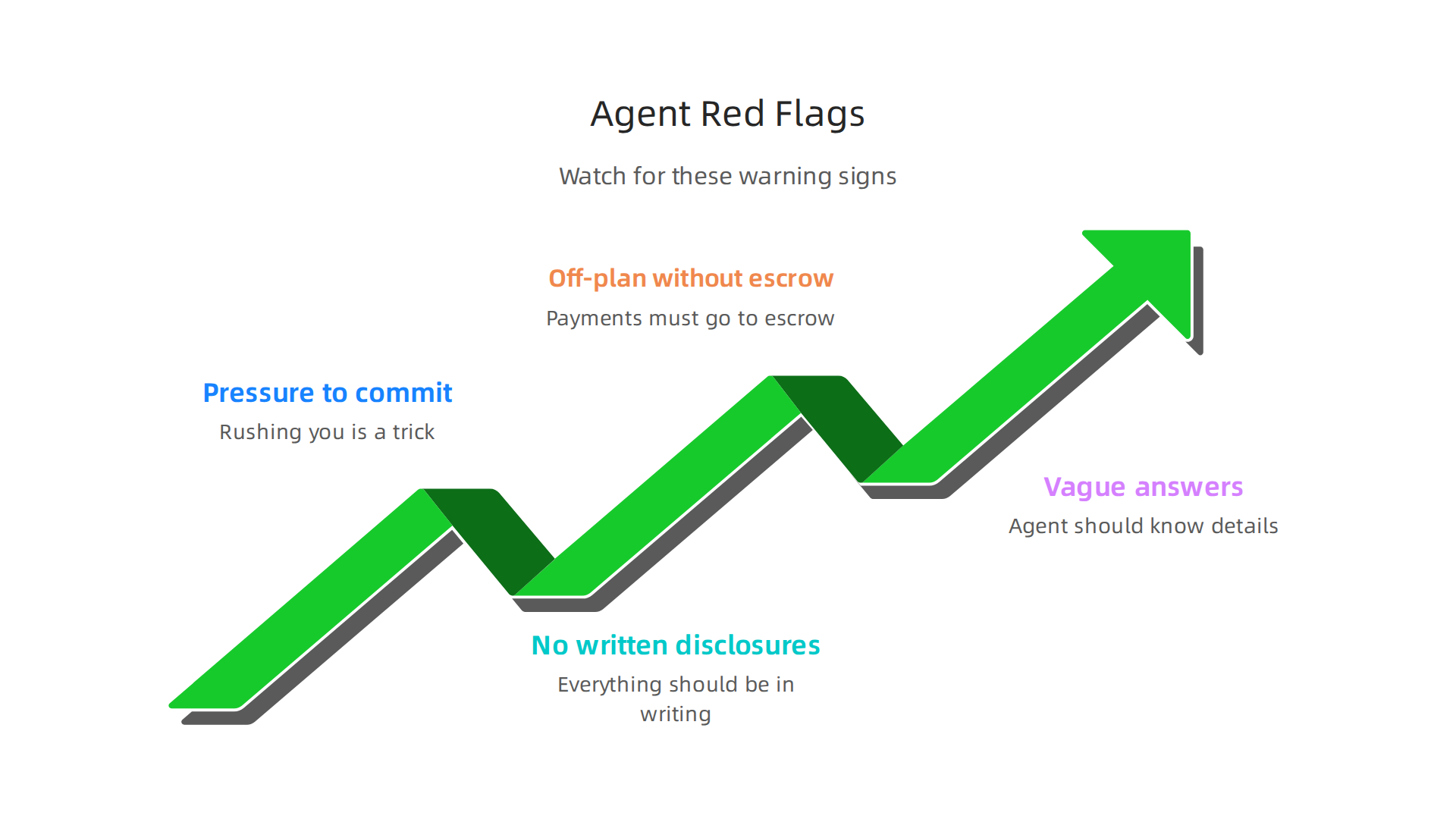
| Red Flag | Why It Matters |
|---|---|
| Pressure to commit fast | A good agent gives you time to think. Rushing you is a trick. |
| No written disclosures | Everything should be in writing: fees, terms, property details. |
| Off-plan deals without escrow | In Dubai, off-plan payments must go into a regulated escrow account. If the agent says otherwise, it is illegal. |
| Vague answers about the property | They should know the building, the area, and the developer. |
If you see any of these, trust your gut. Walk away. Your real estate for investment decision depends on clean, transparent deals.
Use the Right Tools
The DLD and RERA give you free tools to protect yourself.
- RERA rental index: We talked about this for renting. The same index helps you check fair prices for buying.
- Makani system: This is DLD’s property mapping tool. It gives you accurate details on any property, including ownership and size.
- RERA directory: Use it to check agent and broker credentials before you sign anything.
These tools are your safety net. Use them every time you consider a property or an agent.
Putting It All Together
When you treat real estate as investment, your main job is to protect your money. That starts with choosing the right agent. Take 10 minutes to verify their license. Look for red flags. Use the official tools. These small steps can save you from big headaches.
For a complete walkthrough of the buying process, our Dubai real estate investment 2026 guide to buying property safely covers everything from finding a good agent to closing the deal.
Get Help from a Trusted Professional
Still unsure? You do not have to go it alone. A RERA-licensed professional can guide you through the whole process and make sure you avoid scams.
Connect with Ayaz Salman on WhatsApp for a free consultation. He will help you verify agents, review offers, and find the best tips for real estate investing that match your goals.
Or Find an Agent through our platform to get matched with a licensed expert who meets your needs.
Summary
This article is a practical guide to treating Dubai real estate as an investment in 2026, showing how market shifts, new laws, and district dynamics affect buyers, sellers and tenants. It explains where demand and prices are moving, which neighbourhoods to watch, and the difference between freehold and leasehold ownership. You’ll learn how to pick an investment purpose (rental income, capital growth, mixed use or a residence), compare rental yield versus appreciation, and decide between off‑plan and ready properties. The guide covers financing rules for residents and expats, portfolio diversification and exit planning, plus seller and landlord best practices like pricing and tenant screening. It also outlines due diligence steps for verifying agents and avoiding scams so you can protect your capital and act with confidence.